
In today’s industrial and mechanical landscapes, oil tube solutions play a critical role in ensuring equipment efficiency, safety, and longevity. Selecting the right tubes, fittings, and materials can significantly reduce maintenance issues, prevent leaks, and optimize the flow of lubricants across systems. From hydraulic applications to automotive engines and industrial machinery, understanding the specifications and best practices for installation is essential for maximizing performance. This guide explores the key factors, innovations, and maintenance tips that make oil tube solutions indispensable for smooth operations. But how can choosing the right oil tube solutions truly unlock efficiency in your systems?
Business
Unlocking efficiency: the ultimate guide to oil tube solutions

Understanding Modern Oil Tube Solutions for Industrial Operations
Modern tubular solutions deliver enhanced durability and operational efficiency across demanding oil and gas environments. According to the International Energy Agency's 2024 Oil Market Report, global oil production is expected to grow by 1.2 million barrels per day through 2025, driving unprecedented demand for reliable pipeline infrastructure. How can your operations benefit from advanced tubular technologies that reduce downtime and maximize performance? Leading manufacturers now offer comprehensive solutions, allowing you to select high-quality oil tube from vallourec with specialized coatings and technical expertise.
Essential Types of Advanced Tubular Systems for Petroleum Operations
The petroleum industry relies on three fundamental categories of tubular systems, each engineered for specific operational demands. OCTG solutions form the backbone of drilling and completion operations, while line pipes ensure efficient fluid transportation across vast distances.
Oil Country Tubular Goods encompass casing, tubing, and drill pipes designed to withstand extreme downhole conditions. These systems feature enhanced metallurgy and precise threading to maintain well integrity under high pressure and corrosive environments.
- Line pipes - High-strength carbon steel systems for long-distance oil and gas transportation with advanced coating technologies
- OCTG casing - Structural well support systems available in various grades from API 5CT specifications
- Production tubing - Specialized conduits for hydrocarbon flow with corrosion-resistant alloy options
- Drill pipes - Heavy-duty rotating systems engineered for demanding drilling operations
Each tubular type undergoes rigorous quality control and testing to meet international standards. Premium suppliers offer comprehensive technical support, from material selection to field installation, ensuring optimal performance throughout the asset lifecycle.
Critical Selection Criteria for Offshore and Onshore Applications
The selection of appropriate tubular systems requires careful evaluation of multiple environmental and operational factors. Environmental conditions represent the primary differentiator between offshore and onshore applications, directly influencing material specifications and protective requirements.
Offshore environments expose tubular systems to aggressive saltwater conditions, requiring enhanced corrosion resistance through specialized alloys and protective coatings. Temperature variations in deepwater applications can range from near-freezing seabed conditions to elevated downhole temperatures, demanding materials that maintain structural integrity across extreme thermal cycles.
Pressure considerations differ significantly between applications. Offshore operations typically encounter higher hydrostatic pressures due to water depth, while onshore systems face varying pressure profiles based on reservoir characteristics and production methods. These conditions directly impact wall thickness requirements and grade selections for optimal performance.
Onshore applications benefit from easier accessibility for maintenance and inspection, allowing for different material choices and coating systems. However, they must withstand soil corrosivity, seasonal temperature fluctuations, and potential ground movement. The proximity to populated areas also influences safety requirements and environmental protection standards for tubular selection.
Successful project execution depends on matching these specific operational demands with appropriate tubular solutions and comprehensive technical support throughout the installation process.
Advanced Coating Technologies and Corrosion Protection Methods
Modern oil and gas operations demand sophisticated coating systems that withstand extreme conditions while maintaining long-term integrity. Today's advanced coating technologies combine multiple protective layers, each engineered for specific environmental challenges ranging from deep-sea applications to high-temperature onshore installations.
Three-layer polyethylene (3LPE) and three-layer polypropylene (3LPP) coatings represent the industry standard for external protection, offering superior adhesion and chemical resistance. These systems provide exceptional performance in temperatures up to 80°C for 3LPE and 140°C for 3LPP applications, significantly extending pipeline service life.
Internal coating technologies have evolved to address flow assurance and corrosion challenges simultaneously. Fusion-bonded epoxy (FBE) coatings deliver outstanding chemical resistance, while specialized thermoplastic linings ensure smooth flow characteristics and reduced maintenance requirements.
Field joint coating services play a critical role in maintaining system integrity at connection points. Professional welding and specialized coating application ensure seamless protection continuity, preventing the formation of corrosion cells that could compromise entire pipeline segments. These services require precise temperature control and environmental monitoring to achieve optimal adhesion and long-term performance.
Cost Optimization and ROI Considerations in Pipeline Projects
The initial investment in premium tubular solutions often represents a significant portion of pipeline project budgets. However, industry analysis reveals that quality-focused procurement strategies typically deliver superior long-term returns compared to lowest-bid approaches.
Cost optimization begins during the design phase, where proper material selection directly impacts operational efficiency. Premium tubular products with enhanced corrosion resistance and mechanical properties reduce maintenance intervals and extend asset lifecycles. This translates into lower operational expenditures and fewer unplanned shutdowns over the project's lifetime.
Return on investment calculations must factor in the total cost of ownership rather than upfront procurement costs alone. High-performance tubulars minimize replacement frequency, reduce inspection requirements, and deliver consistent operational reliability. These factors contribute to improved project economics through enhanced production uptime and reduced maintenance overhead.
Quality considerations play a crucial role in long-term profitability. Inferior tubular solutions may appear cost-effective initially but often result in premature failures, emergency repairs, and production losses. The cumulative impact of these issues typically exceeds the initial savings from budget-oriented procurement strategies, making quality investment a sound financial decision.
Your Questions About Oil Tube Solutions Answered
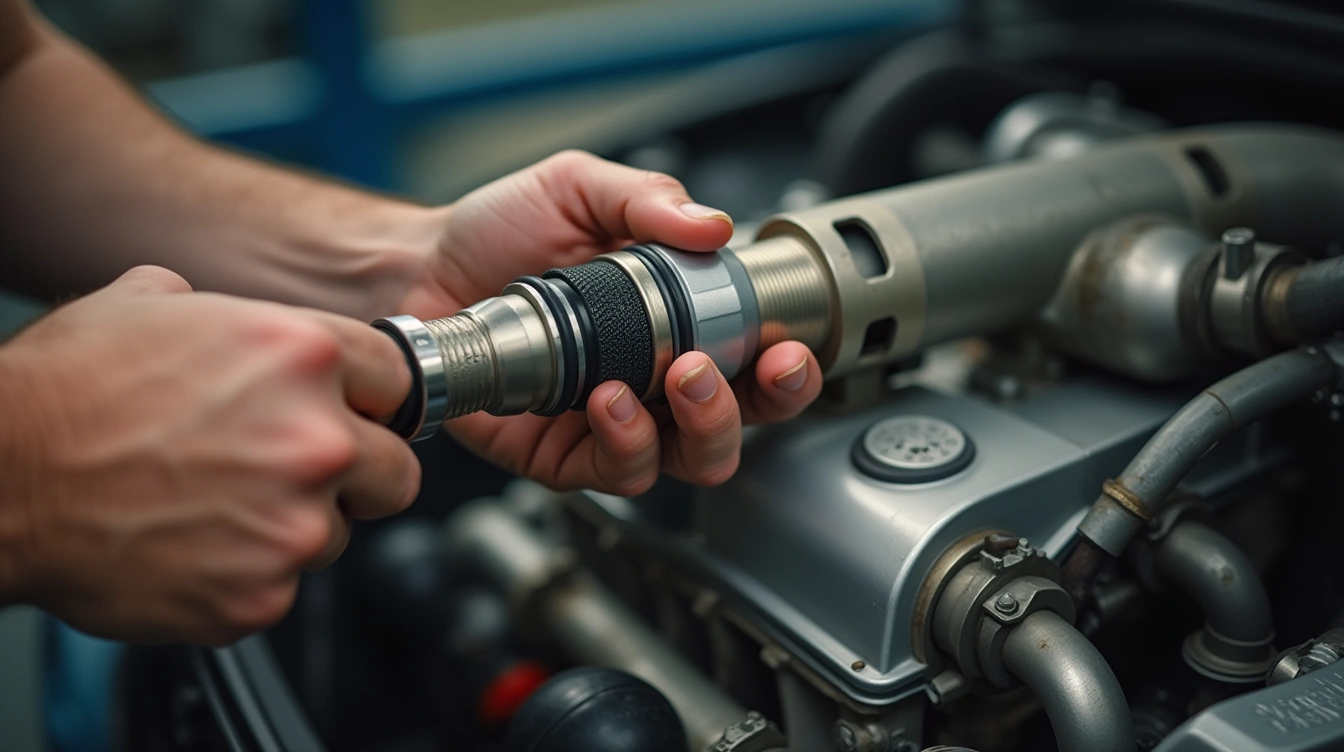
Selecting the right oil tube solutions involves complex technical considerations. Industry professionals often face challenges balancing performance requirements with budget constraints while ensuring long-term reliability.
What are the best oil tube solutions for offshore drilling operations?
Premium OCTG solutions with enhanced corrosion resistance perform best offshore. Look for high-strength alloys, specialized threading, and proven performance in harsh marine environments for optimal reliability.
How do I choose the right oil pipeline system for my project?
Consider fluid properties, operating pressure, temperature ranges, and environmental conditions. Evaluate pipe specifications, coating requirements, and installation methods to match your specific operational demands effectively.
What is the difference between OCTG and regular oil transportation tubes?
OCTG tubes feature specialized threading, enhanced metallurgy, and rigorous testing standards. They're engineered for downhole conditions, while transportation tubes focus on surface pipeline requirements and different pressure specifications.
Which oil tube coatings provide the best corrosion resistance?
Fusion-bonded epoxy and polyethylene coatings offer excellent protection. Advanced ceramic-epoxy systems provide superior performance in extreme environments, extending service life and reducing maintenance requirements significantly.
How much do premium oil pipeline solutions typically cost?
Premium solutions range from $50-200 per meter depending on specifications. Investment in quality materials reduces long-term operational costs through improved reliability and extended service life.